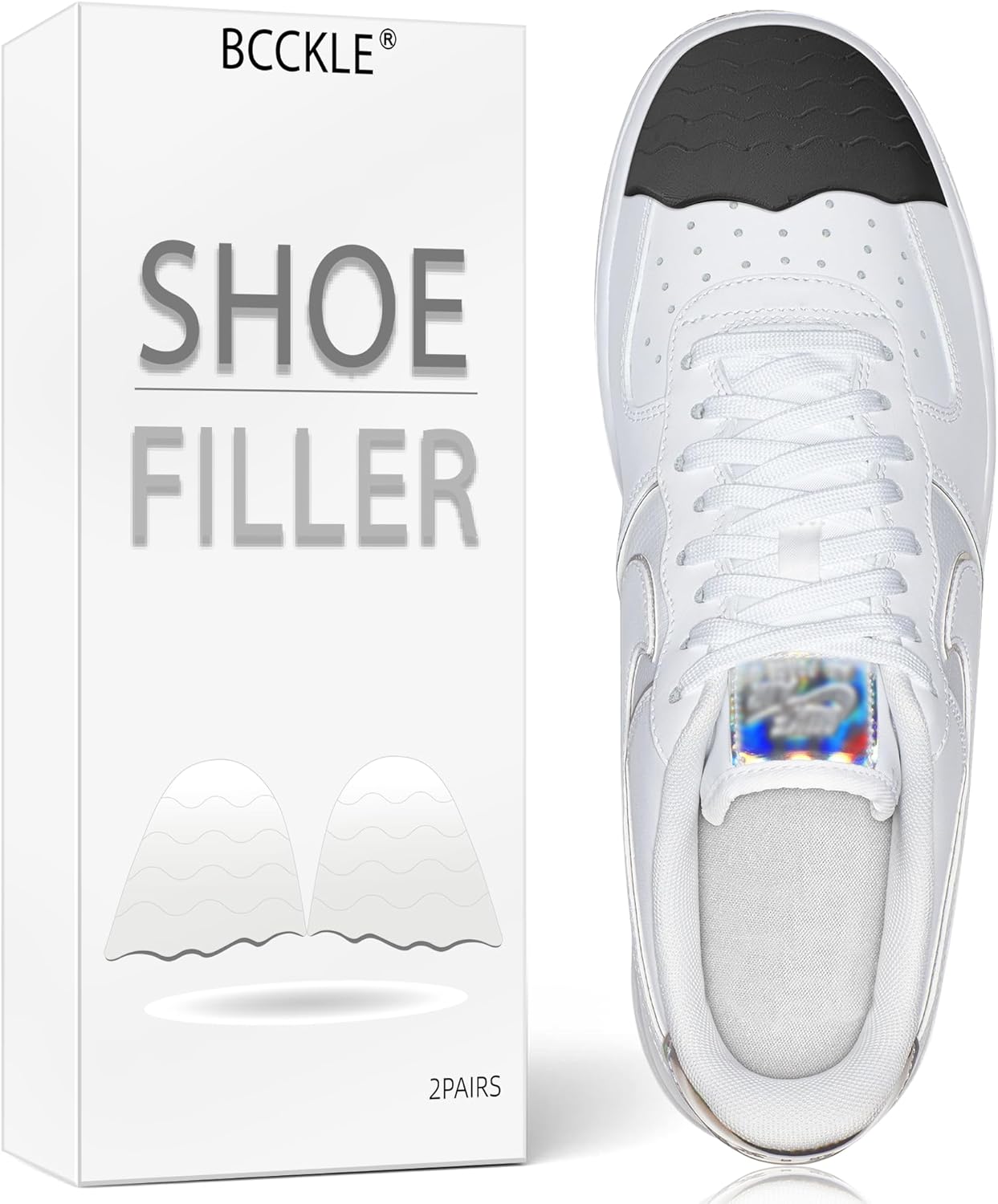
Between sizes? Half size inserts take up a little extra room, and heel grips stop your heel slipping.
Not sure of your size? Measure your foot length, then convert it using the CM option.
Get Your Size Right


How to Use This Shoe Size Converter
Shopping for shoes internationally, or buying online from an overseas retailer, can be confusing when sizing systems differ. Our converter makes it instant and accurate. Here is how to use it:
- Select Men's or Women's: shoe sizing scales differ between genders, so always confirm this first.
- Choose your size system: pick US, UK, EU, or CM (centimeter foot length) from the dropdown.
- Enter your size: half sizes are supported (e.g. 9.5).
- Click Convert: all four equivalents appear instantly.
Understanding the Different Sizing Systems
US Sizes are the standard used across North America. Men's and women's US sizes differ. Going by foot length, a women's US 8 is the same as a men's US 7, which is why it is critical to specify gender when converting.
UK Sizes run half a size smaller than US men's sizes, and two sizes smaller than US women's sizes. A UK 8 men's is a US 8.5 men's, for example.
EU Sizes are used throughout continental Europe and follow a different scale entirely, typically ranging from about 35 to 50. The same EU number converts to slightly different UK and US sizes for men and women, so always choose Men's or Women's first.
CM Sizes refer to the actual length of your foot in centimeters. This is the most universally accurate method and is widely used in Japan and other parts of Asia. Measuring your foot directly in CM and then converting is the most reliable approach for online shopping.
Men's Shoe Size Conversion Chart
| US | UK | EU | CM |
|---|---|---|---|
| 6 | 5.5 | 39 | 24 |
| 7 | 6.5 | 40 | 25 |
| 8 | 7.5 | 41 | 26 |
| 9 | 8.5 | 42.5 | 27 |
| 10 | 9.5 | 44 | 28 |
| 11 | 10.5 | 45 | 29 |
| 12 | 11.5 | 46 | 30 |
| 13 | 12.5 | 47.5 | 31 |
Women's Shoe Size Conversion Chart
| US | UK | EU | CM |
|---|---|---|---|
| 5 | 3 | 35.5 | 22 |
| 6 | 4 | 36.5 | 23 |
| 7 | 5 | 37.5 | 24 |
| 8 | 6 | 38.5 | 25 |
| 9 | 7 | 39.5 | 26 |
| 10 | 8 | 40.5 | 27 |
| 11 | 9 | 41.5 | 28 |
| 12 | 10 | 42.5 | 29 |
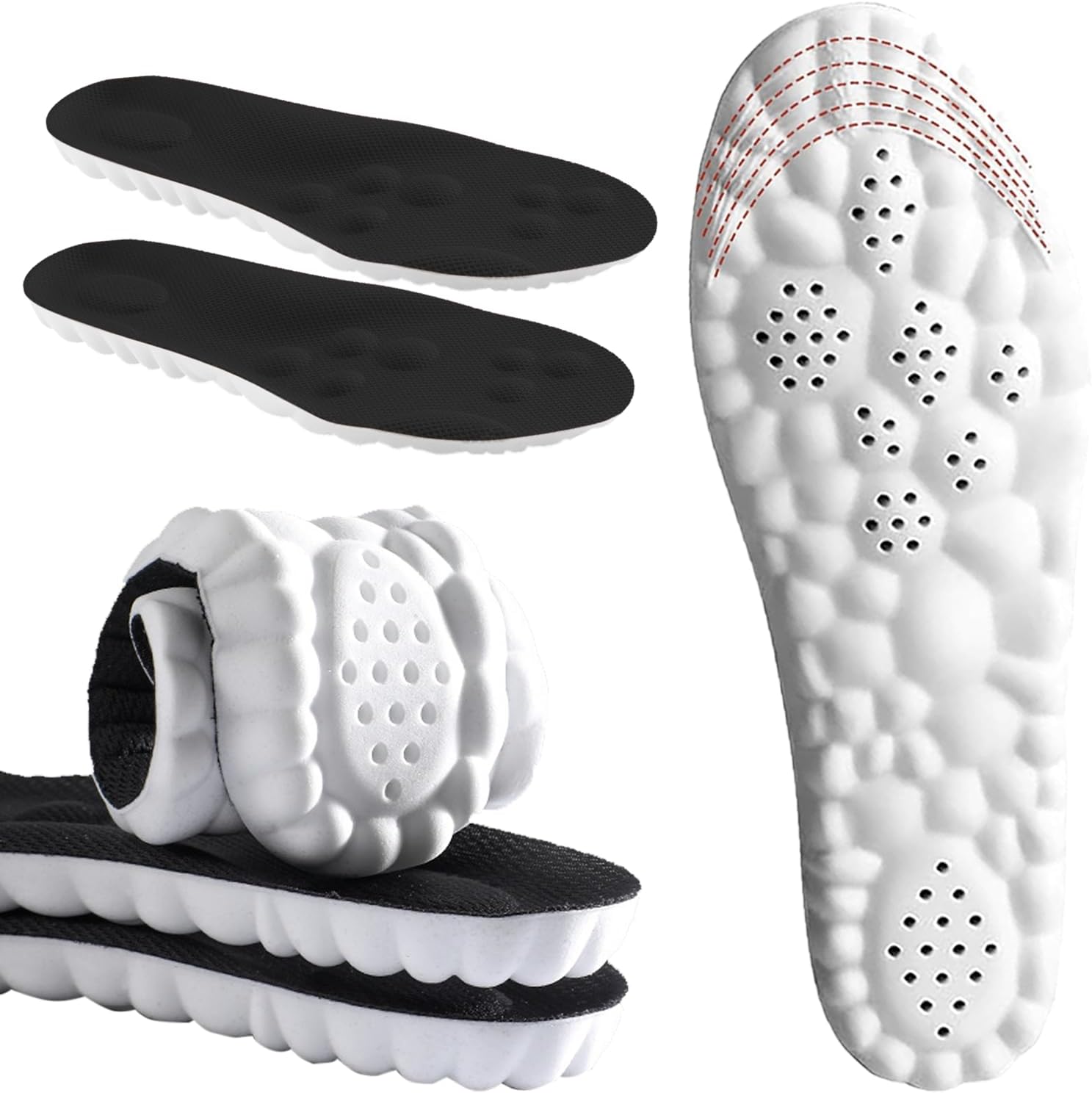
Comfort and Fit

How to Measure Your Foot at Home
The most accurate way to find your true shoe size is to measure your foot directly. Shoe sizes vary slightly between brands and countries, and feet change over time, so measuring periodically is a good habit.
What You Will Need
- A piece of plain paper (letter size or larger)
- A pen or pencil
- A ruler or tape measure
- A flat, hard floor surface
Step-by-Step Instructions
- Measure in the afternoon or evening. Feet naturally swell throughout the day. Measuring later gives a more accurate largest size.
- Wear the socks you would normally wear with the shoes you are buying. Thin dress socks versus thick hiking socks make a meaningful difference.
- Stand on the paper and trace around your foot with the pen held vertically. Do not angle it inwards.
- Measure the length from the heel to the tip of your longest toe. This is typically the big toe, but not always.
- Measure the width at the widest point across the ball of the foot.
- Repeat for both feet. Most people have one foot slightly larger. Always size for the larger foot.
Wide vs Narrow Feet
Standard shoe sizing only accounts for length, but foot width matters too. If your foot width measurement is significantly broader than average, look for shoes labeled "Wide" (W or EW in the US, H or G in UK widths). Many retailers offer multiple width fittings for popular styles, and you can browse wide fit shoes on Amazon filtered by width.
Narrow feet can be an issue with some styles that are cut wide. Look for shoes with adjustable closures such as laces or straps, which allow a more customized fit regardless of standard sizing.
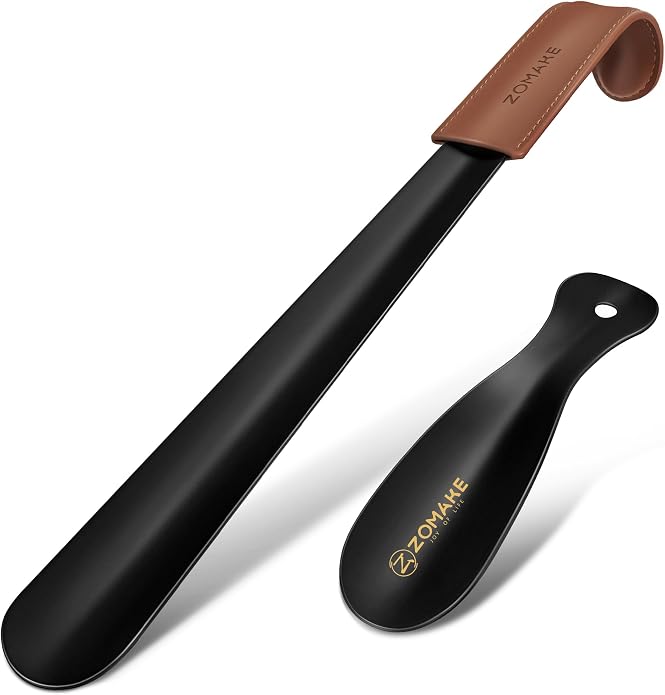
Look After Your Shoes


Buying Shoes Online: Tips to Get the Right Fit
Online shoe shopping has grown enormously, but fit remains the number one concern. Here is how to maximize your chances of getting it right first time.
Always Check the Brand's Own Size Guide
No two brands size identically. Nike, Adidas, New Balance and others all have slight differences in their lasts, the foot-shaped mold used to construct the shoe. A size 10 in one brand may fit like a 10.5 in another. Most reputable brands publish their own size charts. Always cross-reference against your foot measurement in CM rather than relying on your usual size alone.
Read the Reviews
Reviewers frequently mention fit. Search for phrases like "runs small," "runs large," or "narrow fit" in the reviews of any shoe you are considering. This crowd-sourced sizing intelligence is invaluable and often more reliable than brand sizing guides alone.
Understand the Return Policy Before Buying
Before purchasing from an international retailer, confirm the return policy clearly. Some sellers offer free returns; others charge for international return shipping which can be significant. Amazon's return policy for shoes is generally favorable, which is one reason it is a popular choice for shoe purchases.
Ordering from European Retailers
EU sizing is common across German, French, Italian and Spanish brands. EU sizes are generally consistent between countries, though luxury Italian brands may occasionally run slightly narrow or long compared to other EU-sized shoes. If buying high-end European footwear, it is worth consulting the specific brand's fit notes.
Ordering from UK Retailers
UK sizes run half a size smaller than equivalent US men's sizes, and two sizes smaller than US women's sizes. ASOS, John Lewis, Marks and Spencer and other major UK retailers list both UK and EU sizes, making conversion straightforward. Our converter handles this automatically.
Children's Shoe Sizes
Children's sizing operates on a completely different scale to adult sizing and resets at around a US children's size 13. Children's sizes also vary significantly between countries. For children's shoes, measuring foot length in centimeters and using the brand's specific kids' size chart is strongly recommended.